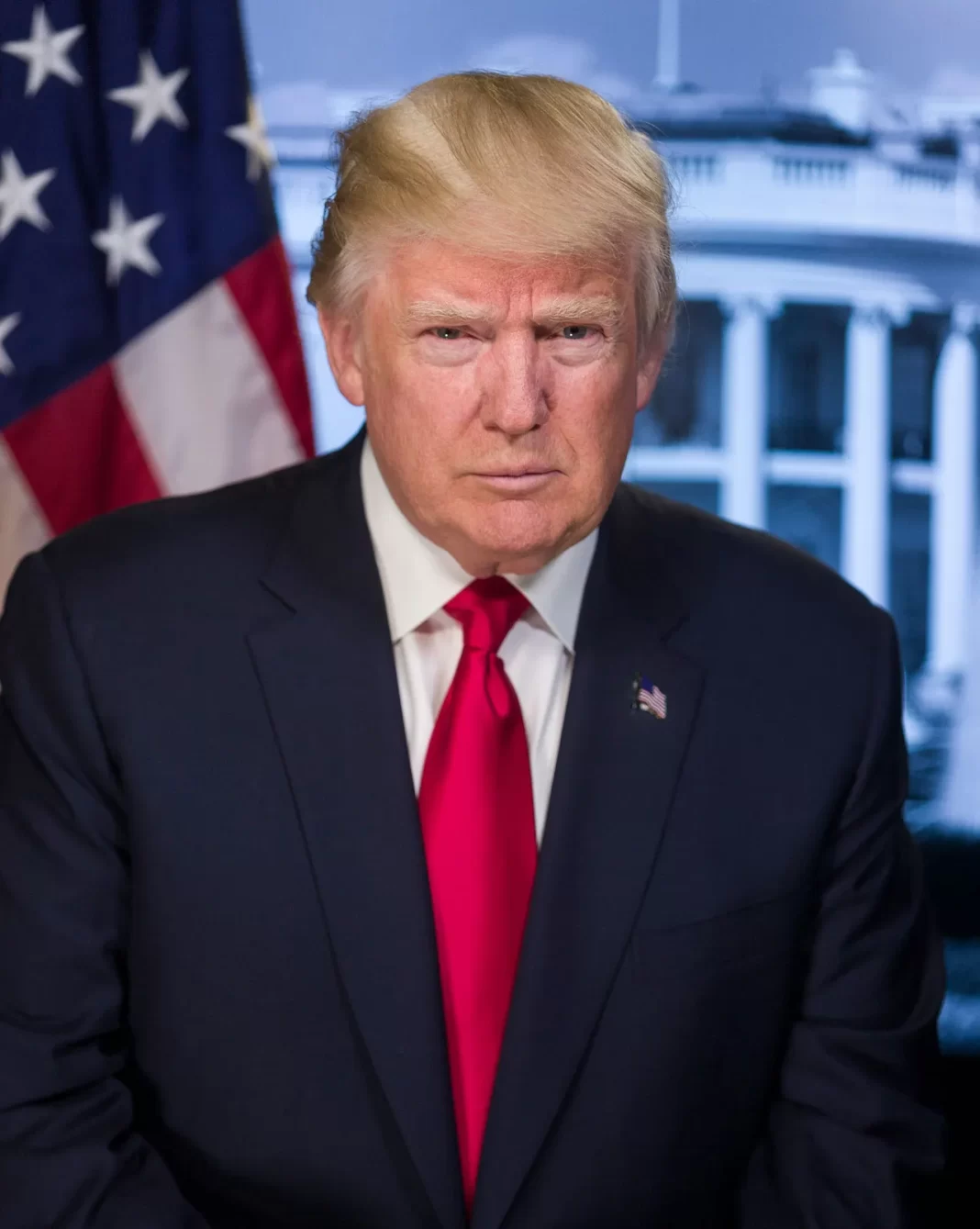
A new report from President Donald Trump’s Religious Liberty Commission has ignited a nationwide conversation about the place of faith in America, with supporters describing it as a historic step towards protecting religious freedom, while critics warn it could reshape the long-standing relationship between church and state.
Speaking at the Faith & Freedom Coalition’s annual conference, President Trump praised the commission’s work and made one of his strongest statements yet on religion in America.
“We saved religion. It was going down,” Trump declared as he addressed thousands gathered at the event.
His remarks came as the Religious Liberty Commission unveiled a comprehensive 224-page report containing recommendations aimed at expanding religious expression in public life and strengthening legal protections for people of faith.
One of the report’s most discussed proposals is its call to move away from the traditional idea of a strict separation between church and state. Instead, the commission argues for what it describes as “building bridges between church and state,” encouraging greater cooperation while maintaining constitutional protections for religious liberty.
Among its recommendations are stronger protections for religious expression in schools, expanded rights for healthcare workers who object to certain medical procedures or vaccinations on religious grounds, greater religious freedom protections within the military, and the repeal of the Johnson Amendment, a law that limits political activity by tax-exempt churches and religious organisations.
The report also encourages schools to ensure students are free to pray voluntarily and recommends that military leaders receive additional training on religious liberty and the importance of spiritual wellbeing among service members.
According to the commission, these proposals are intended to reinforce the principle that people should not be forced to choose between participating in public life and remaining faithful to their religious convictions.
Supporters have welcomed the recommendations, arguing that many Americans have felt increasingly hesitant to express their faith openly in workplaces, schools and government institutions. They believe the report offers a renewed commitment to protecting one of the nation’s most fundamental constitutional freedoms ,the free exercise of religion.
Not everyone agrees.
Several civil rights and interfaith organisations have criticised the report, saying some of its proposals could blur the constitutional boundary between religion and government and give greater influence to particular religious perspectives over others.
The Interfaith Alliance described the recommendations as reflecting what it called a narrow religious worldview, while urging policymakers to preserve equal protections for people of every faith tradition as well as those with no religious affiliation.
Despite the differing opinions, the report has succeeded in placing one important question back at the centre of public discussion:
What role should faith play in modern society?
For many Christians, the conversation goes beyond politics. It touches on the freedom to live out biblical convictions openly, share one’s faith without fear and participate fully in society while remaining true to deeply held beliefs.
Others maintain that protecting religious liberty must always be balanced with safeguarding the rights and freedoms of every citizen, regardless of their beliefs.
As debate over the commission’s recommendations continues, one thing is already clear: faith remains a significant part of America’s national conversation.
Whether the proposals eventually become law or not, they have reignited discussions about religious freedom, public expression of faith and the relationship between government and religion—issues that are likely to remain at the forefront of public debate in the months ahead.