
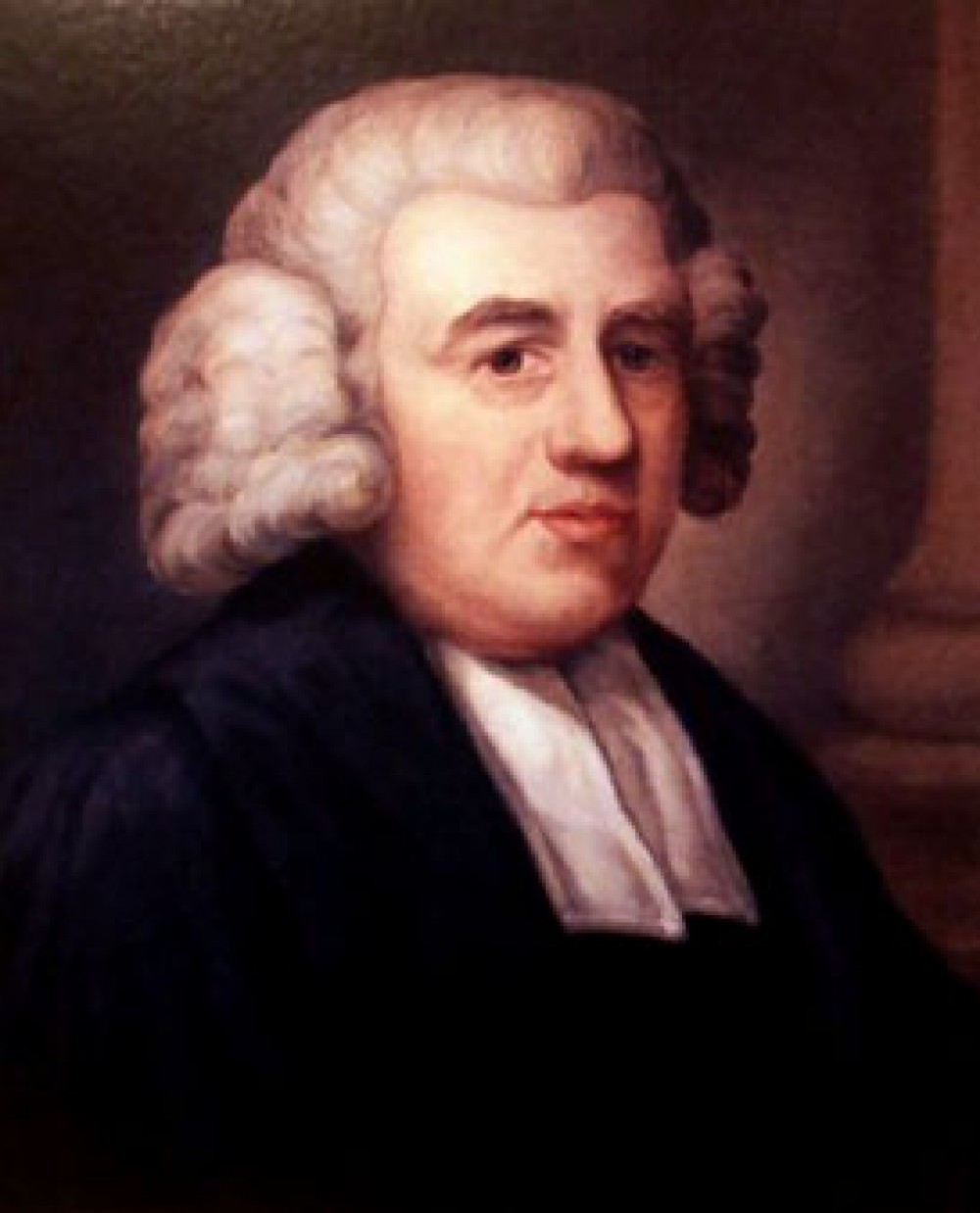
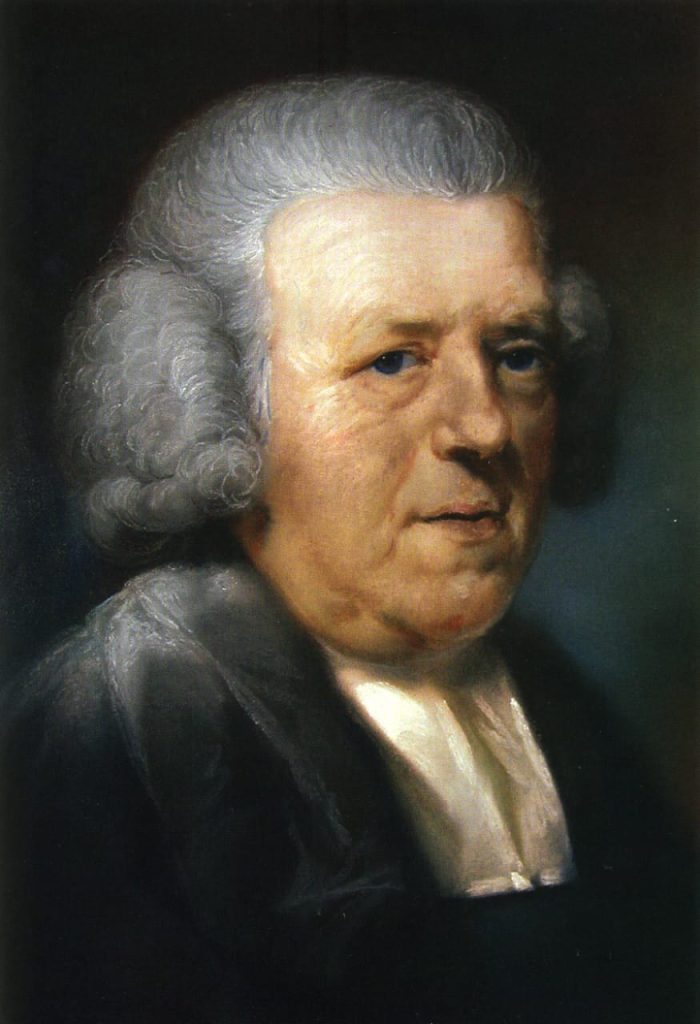
The Testimony of a British Slave Trader Proves That God’s Amazing Grace Is More Powerful Than Cancel Culture
John Newton got it right. He experienced it. He celebrated it. The grace of God is amazing. He wrote an entire hymn about it—one that would outlive his sins, his shame, and even his generation.
Most of us know the story. The beloved hymn, Amazing Grace, was written by John Newton, a former slave ship captain and trader. Once a ruthless man complicit in one of the darkest systems of human history, Newton became a believer in Jesus Christ and was transformed by that encounter with divine grace. Eventually, he abandoned the slave trade altogether, leaving behind a legacy of repentance and redemption.
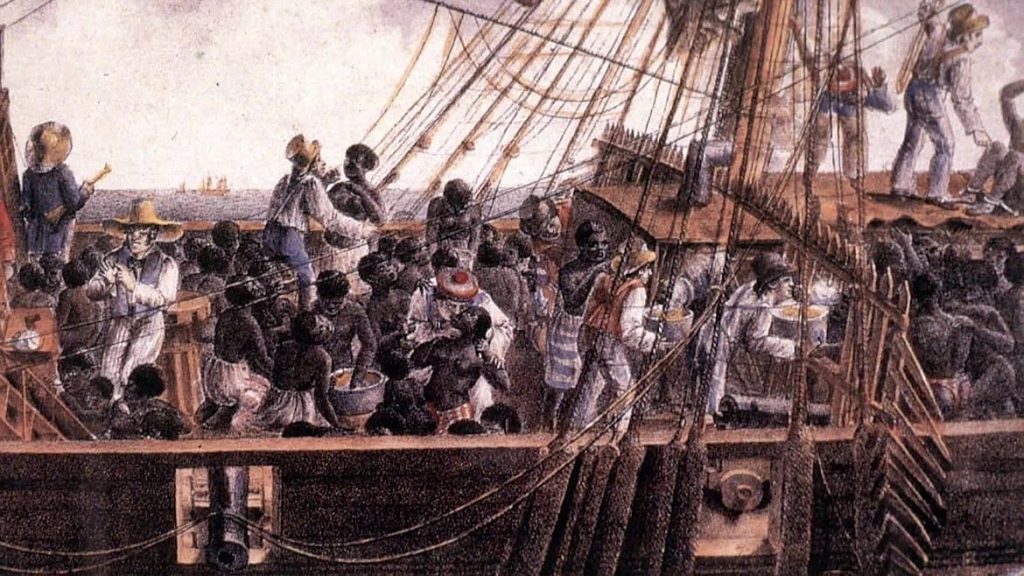
Looking back on his past, Newton was brutally honest. He admitted, “I had the ambition of a Caesar or an Alexander, and wanted to rank in wickedness among the foremost of the human race.” He called himself “a ringleader in blasphemy, and wickedness.” By his own admission, he was an unforgivable racist wretch—lost and blind.
That is exactly how he presented himself in his autobiographical hymn, Amazing Grace:
Amazing grace, how sweet the sound
That saved a wretch like me
I once was lost, but now am found
Was blind but now I see
Newton’s turning point came in March 1748. Sailing back to England in the midst of a violent storm off the coast of Ireland, his ship was battered and near sinking. Facing death, he pleaded for God’s mercy. In that desperate hour, he repented, believed in Christ, and would later write of the moment: “How precious did that grace appear, the hour I first believed.”
From that hour, Newton’s life was never the same. The man who once trafficked human lives came to fight the very evil he had profited from. His conversion became a testimony that no past is too dark for God’s grace to redeem.
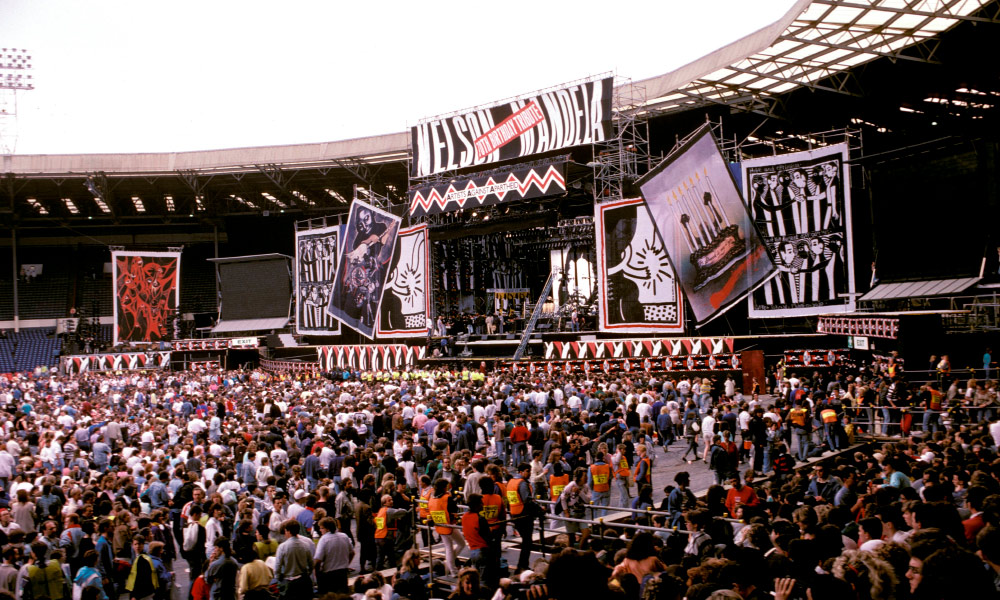
Generations later, the words of his hymn resound across nations and cultures, sung by people of every race. One of the most powerful renditions came on June 11, 1988, when legendary black soprano Jessye Norman sang Amazing Grace before 70,000 people at Wembley Stadium in London. The former slave trader’s hymn was now lifted in victory by the voice of a black woman—a symbol Newton himself could never have imagined.
Newton’s story and his hymn remind us of something culture desperately needs to hear today: grace is greater than guilt, redemption is stronger than reputation, and transformation is more powerful than cancelation. Cancel culture seeks to chain people forever to their worst sins. Grace breaks those chains and makes a testimony out of them.
John Newton’s life and his Amazing Grace leave us with a resounding truth: if God’s grace could save a wretch like him, then there is hope for all of us.