
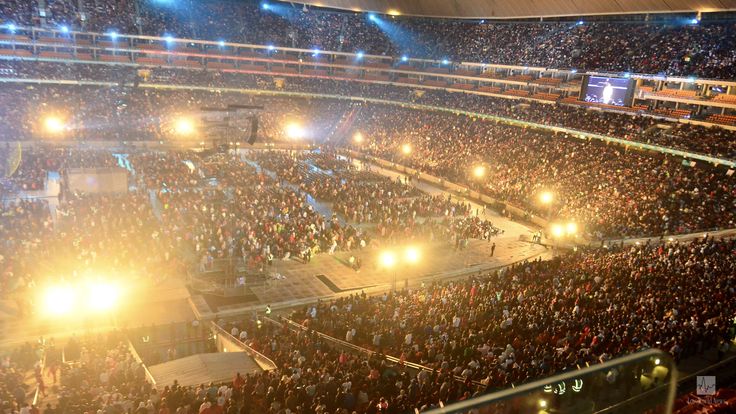
While much of the world welcomes the New Year with fireworks, parties, and countdowns, millions of Christians across the globe continue to mark the transition in a markedly different way — through prayer, worship, and reflection.
As December 31 gave way to January 1, churches in Africa, Europe, North America, South America, Asia, and the Middle East opened their doors for New Year’s Eve services, often referred to as “crossover services,” “watch night services,” or prayer vigils. These gatherings, some lasting well into the early hours of the new year, were centered on thanksgiving, repentance, and seeking divine direction for what lies ahead.
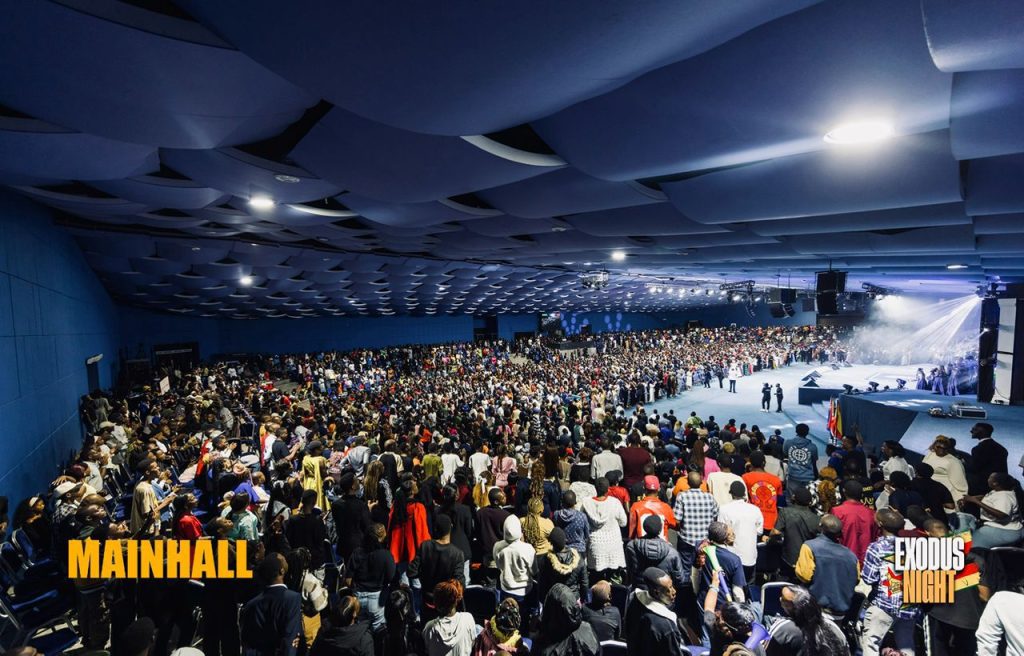
In countries such as Nigeria, Malawi, Ghana, Kenya, South Africa, Zimbabwe, Brazil, the United States, and South Korea, large congregations gathered physically, while millions more joined via television broadcasts and livestreams. Global ministries hosted simultaneous services across multiple cities, highlighting the scale at which Christians prioritize spiritual alignment at the turn of the year.
The tradition itself is not new. Watch Night services trace their roots back to early Christian communities and were later popularized in the 18th and 19th centuries as moments of consecration and renewal. Today, they continue to serve as spiritual checkpoints — moments where believers pause to reflect on the year ending and intentionally commit the year ahead to God.
Messages preached during these services often focused on gratitude for preservation, lessons learned from trials, and hope for restoration and progress. Prayer points ranged from personal growth and family wellbeing to national peace and global stability.
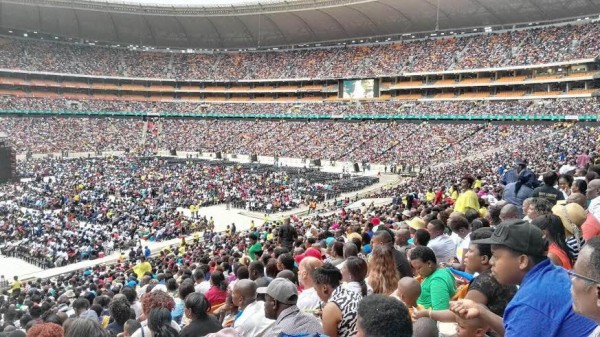
For many attendees, the choice to spend New Year’s Eve in church is a deliberate countercultural statement. As one worshipper wrote in a viral social media post after a crossover service, “I didn’t want to enter a new year distracted. I wanted to enter it aligned.”
While critics sometimes dismiss these gatherings as overly religious or unnecessary, participants argue that beginning the year in prayer provides clarity, discipline, and spiritual grounding that shapes decisions long after the night ends.
As the year unfolds, the echoes of those prayers continue to influence daily life — a reminder that for millions of Christians worldwide, the New Year doesn’t truly begin with noise and celebration, but with stillness, surrender, and faith.