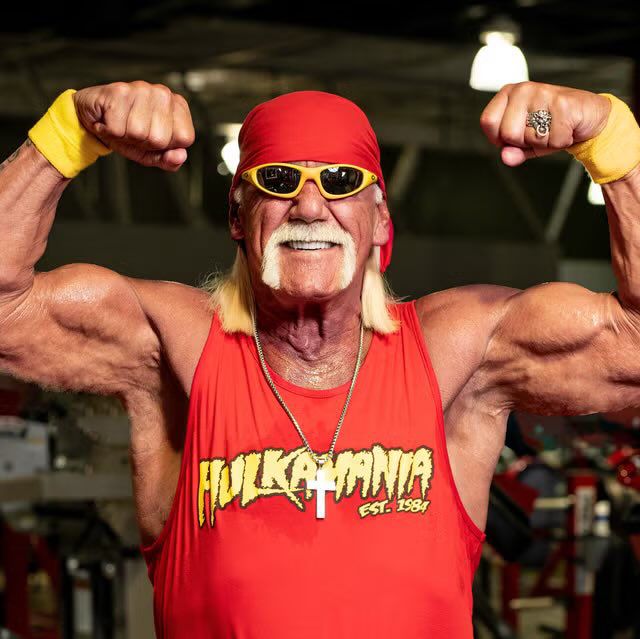
Terry Gene Bollea, known worldwide as Hulk Hogan , wasn’t just a wrestler, he was a phenomenon. The red and yellow. The 24-inch pythons. The “Hulkamania” craze that swept across generations. He wasn’t just a WWE superstar he was wrestling. For decades, he ruled the ring with charisma, power, and a booming voice that inspired millions to “say your prayers and eat your vitamins.”
But behind the muscles and mustache was a man whose journey would stretch far beyond body slams and championship belts a man who would one day discover that true strength isn’t measured by fame or followers, but by surrendering to something far greater than himself.
The Rise of Hulkamania
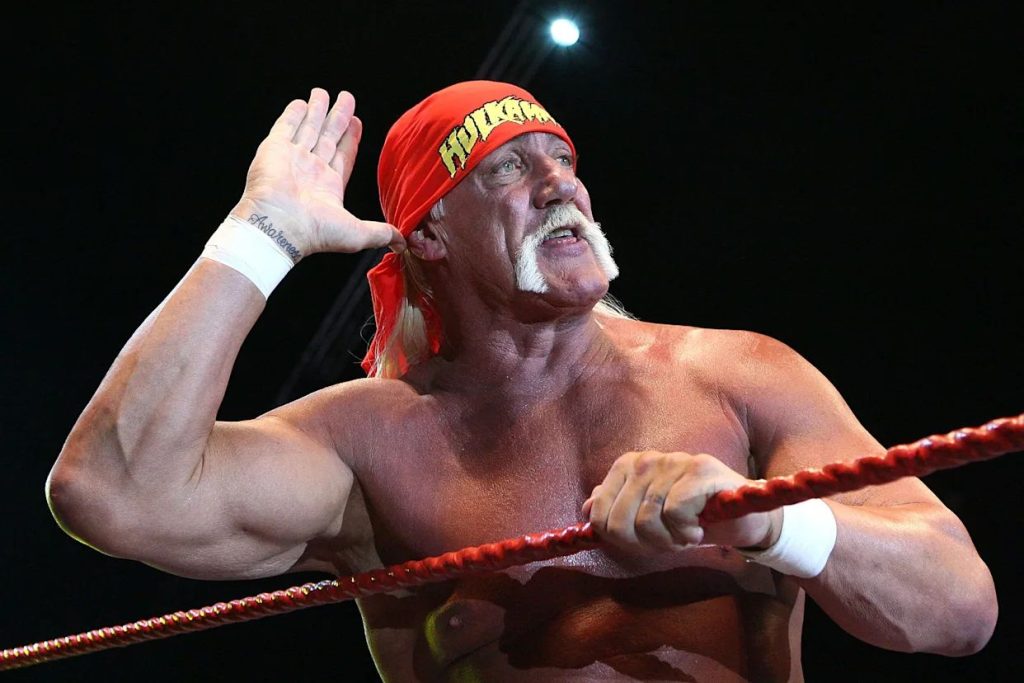
In the 1980s and 90s , Hulk Hogan became the face of professional wrestling. His iconic matches against Andre the Giant, Ultimate Warrior, and Randy Savage weren’t just entertainment, they were generational milestones. Kids wore his bandanas, adults mimicked his poses, and “Brother!” became a national catchphrase.
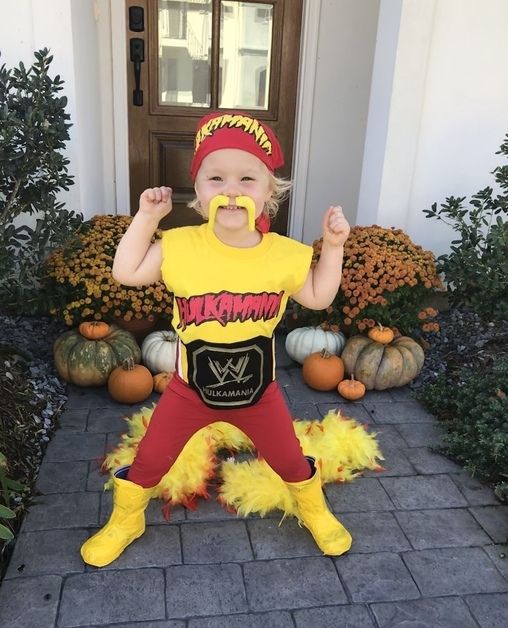
He was a cultural icon, crossing over into movies, television, and even music. At the height of his fame, Hulk Hogan wasn’t just loved he was believed in . To millions, he was a real-life superhero.
But like many legends, the spotlight eventually faded and what followed was a much deeper battle.
Fall, Scandal, and Struggles
The late 2000s and early 2010s were some of Hogan’s darkest years. A painful divorce. The collapse of his long-standing reputation. A legal battle that exposed personal failures. Public ridicule. He went from being cheered by millions to being judged by headlines.
Hogan was broken. The man who once told the world to never give up suddenly found himself contemplating suicide. “I was at the end,” he once said in a rare interview, “with no one left to turn to but God.”
And that’s exactly what he did.
From Hollywood to the Holy Spirit
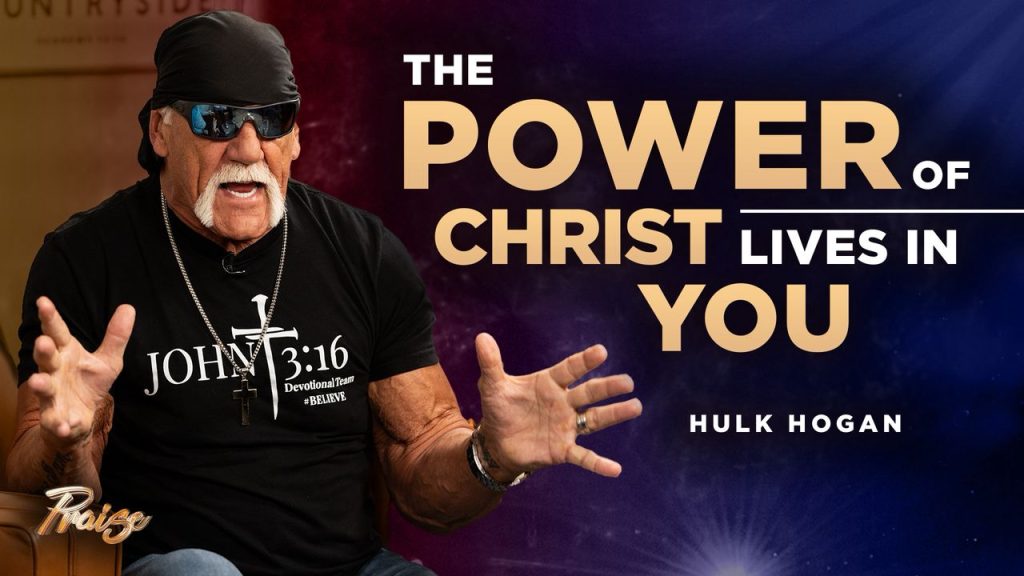
In the stillness of brokenness, Terry Bollea found what Hulk Hogan never could, peace . He returned to his childhood faith, but this time not as a Sunday habit, but as a lifeline. He began to read the Bible daily, pray, and slowly rebuild his life, not on fans or fame, but on faith.
He started speaking openly about Jesus, calling Him “the true power” behind everything. In interviews, he acknowledged that all the glitz and glamor had been nothing compared to the joy and identity he found in Christ.
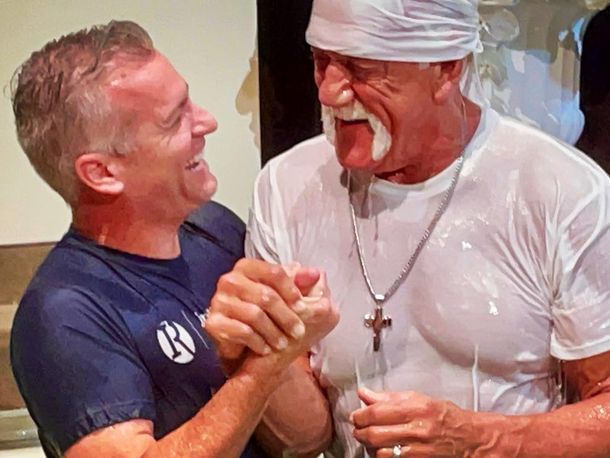
He wasn’t trying to be a perfect man, but a forgiven one.
Becoming a Warrior for the Kingdom
Though no longer in the ring, Hulk Hogan began wrestling with deeper things, his past, his purpose, and his soul. He used his platform to speak about grace and redemption, encouraging fans not to idolize celebrities, but to pursue Christ.
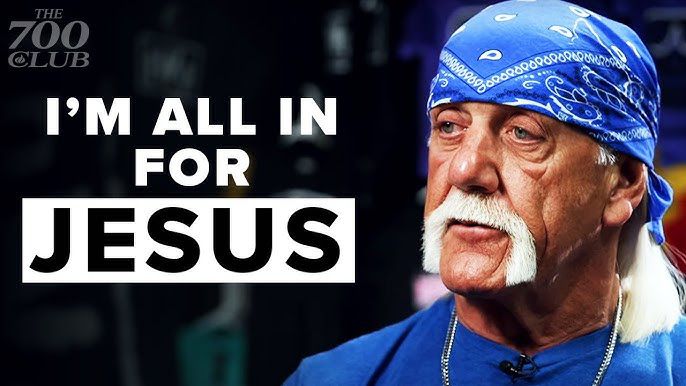
He showed up at churches quietly, read devotionals publicly, and started having one-on-one conversations with younger men, especially those in entertainment and sports, about avoiding the traps he fell into. To them, he wasn’t just a legend, he was a guide .
He once said, “Brother, I thought being a champ in the ring was the goal. But the real championship is living for Jesus. And I’m finally walking in that victory.”
The Final Years: Strength Redefined
In the final chapters of his life, Hulk Hogan wasn’t looking for comebacks. He was living with clarity. Humble. Joyful. Sober-minded. He cherished family, reconnected with old friends, and made peace with former enemies. He wasn’t shouting from the ring anymore, but his quiet walk with Christ shouted something much louder:
That redemption is real. That grace is enough. That even legends need a Savior.
Legacy of a New Kind
For millions, Hulk Hogan will always be the immortal icon, the man who defined a generation of wrestling. But for those who saw behind the mask, his greatest move wasn’t a leg drop, it was kneeling.