


For decades, faith and business were often treated as two separate worlds — one private and personal, the other public and profit-driven. But in recent years, that line has begun to blur. Across the global marketplace, a growing number of companies founded on Christian convictions are not only surviving but thriving, reshaping conversations around leadership, ethics, and purpose.
This rise is not loud or overly branded as “religious.” In fact, many of these businesses operate quietly, allowing values to speak through decisions rather than slogans. Yet their impact is increasingly hard to ignore.
Faith Beyond the Balance Sheet
At the heart of Christian business philosophy is a belief that profit and purpose are not enemies. Instead, success is measured not only by revenue but by stewardship — how people are treated, how resources are used, and what kind of legacy a company leaves behind.
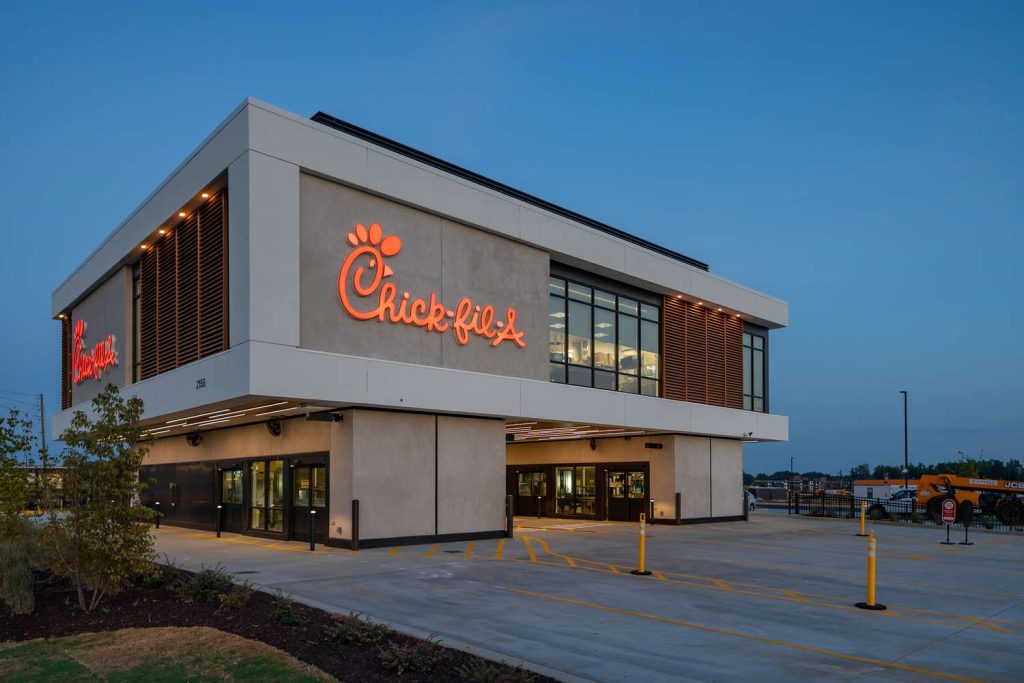
One of the most cited examples is Chick-fil-A, the American fast-food chain founded by the late S. Truett Cathy. Built on openly Christian principles, the company famously closes all its locations on Sundays, prioritizing rest, worship, and family time for employees. What many once considered a risky decision has instead become part of the brand’s strength. Chick-fil-A consistently ranks among the highest-performing fast-food chains in the United States, both in revenue per store and customer satisfaction.
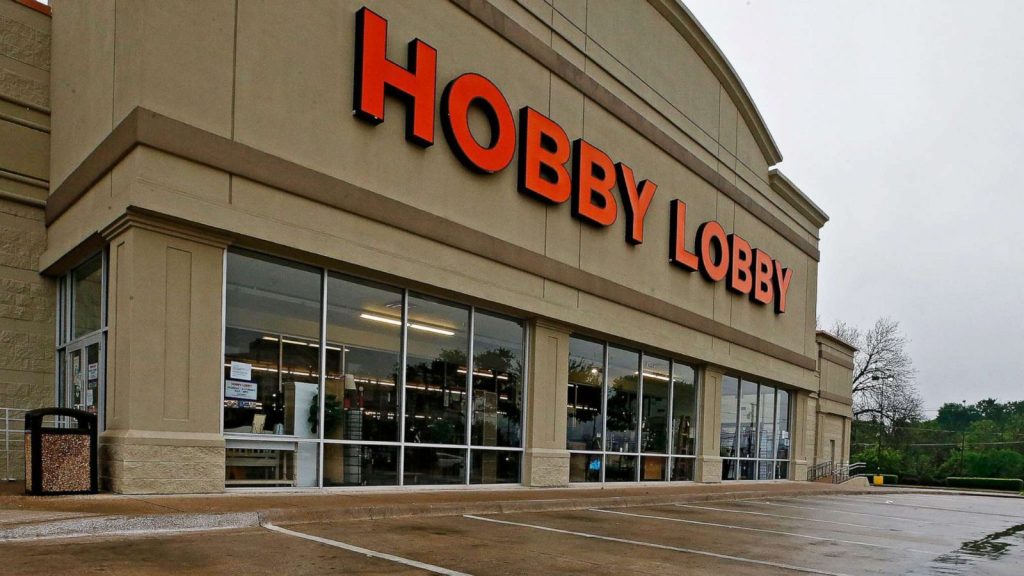
Another prominent case is Hobby Lobby, the arts-and-crafts retailer founded by David Green. The company has long been vocal about operating according to biblical principles, from generous charitable giving to its controversial stance on religious freedom in the workplace. Hobby Lobby’s leadership has framed business as a means to support families, fund education, and contribute to humanitarian causes — including significant donations to Bible translation and disaster relief initiatives.
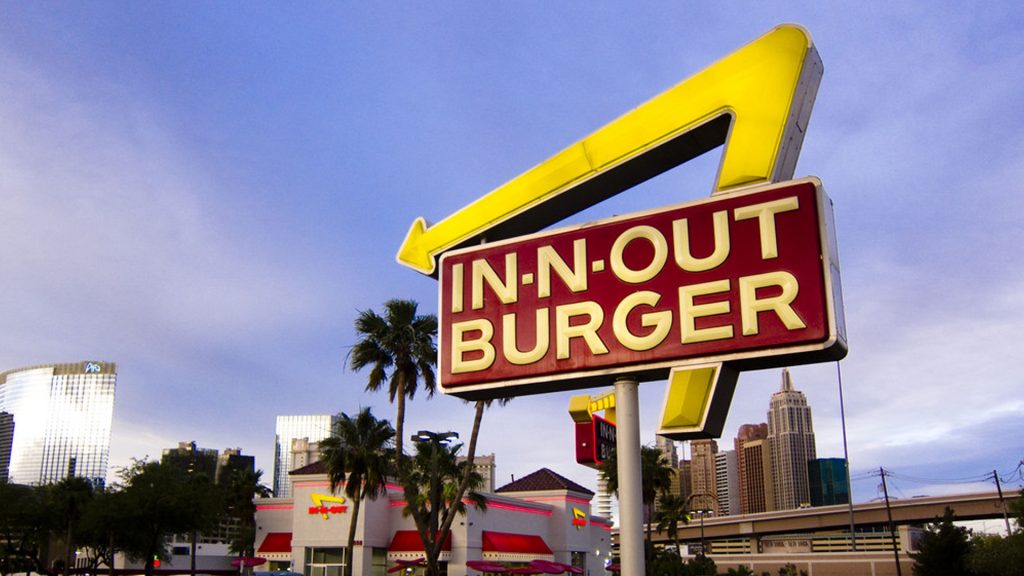
Then there is In-N-Out Burger, a privately owned fast-food company whose Christian roots are visible but understated. Bible verses printed on cups, packaging, and wrappers are a quiet nod to the faith of the Snyder family, who founded and still own the brand. Despite fierce competition in the fast-food industry, In-N-Out has maintained a loyal customer base, limited expansion, and a reputation for treating employees well — a strategy many analysts attribute to long-term, values-driven leadership rather than short-term profit chasing.
Why Christian Businesses Are Gaining Ground
Several factors are contributing to the renewed interest in faith-based business models. Consumers are increasingly drawn to companies that demonstrate consistency, ethical clarity, and social responsibility. Employees, particularly younger generations, are seeking workplaces with meaning, not just paychecks.
Christian businesses often emphasize:
- Integrity in leadership and financial practices
- Long-term thinking over quick wins
- Employee dignity and fair treatment
- Community impact beyond marketing campaigns
These principles resonate in a world growing weary of corporate scandals, exploitative labor practices, and hollow corporate activism.
Not Without Criticism
The rise of Christian businesses has not been without controversy. Critics argue that faith-based leadership can blur boundaries, especially in pluralistic societies. Legal challenges, public backlash, and cultural resistance have followed some of these companies.
Yet even critics acknowledge a key reality: these businesses are not fading. They are adapting, expanding, and influencing conversations about what ethical capitalism can look like.
A Quiet but Lasting Movement
What makes the rise of Christian businesses notable is not flashy branding or aggressive proselytizing. It is the steady consistency — companies choosing conviction over convenience, even when it costs them in the short term.
As global markets continue to wrestle with questions of sustainability, ethics, and trust, Christian businesses are increasingly positioned as case studies in purpose-driven success. Whether one agrees with their beliefs or not, their presence signals a broader shift: faith is no longer confined to church walls — it is shaping boardrooms, policies, and the future of business itself.
And judging by the momentum, this is not a passing trend — but a movement still unfolding.